
Jacek Jaworski – Extraordinary Life
English translation of the original article by Andrzej Siciński published in Znaki Czasu, 12 February 2017.
I Wanted to Know the Truth
A film could be made about Jacek Jaworski’s life, and nobody would find it boring. It would be a thriller full of dramatic events, unexpected twists, secrets and danger. Yet, in the end, goodness and justice would triumph.
I met Jacek 29 years ago, in 1988. Like me, he had come to Gdańsk to attend meetings conducted by a foreign evangelist. Just a year earlier, Jacek had finally found what he had unconsciously been searching for throughout his life — the truth. He had been baptised by full immersion as a public declaration of his faith in Jesus Christ.
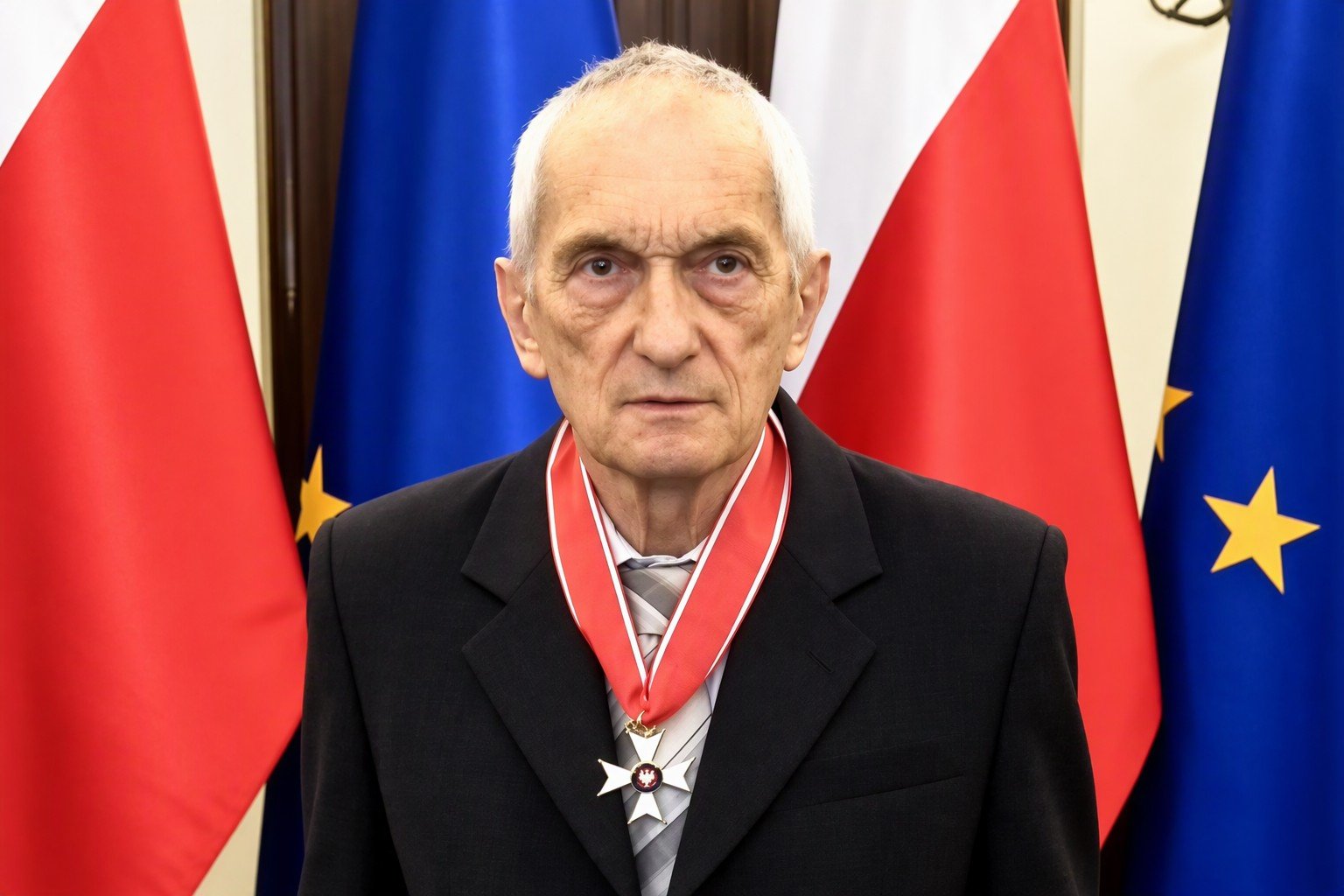
FROM SPORTSMAN TO COUNTER-TERRORISM INSTRUCTOR
I immediately liked Jacek because, like me, he was a sportsman — although a far more accomplished one. He had graduated from the Academy of Physical Education, held a sixth-dan rank in judo and was a master-class judo coach. Later, he became a cyclist and mountain-biking coach. He was also passionate about mountaineering and qualified as a second-class mountaineering instructor.
For several years, I even considered him somewhat eccentric. He spoke with extraordinary enthusiasm about natural medicine, the macrobiotic diet, personally assisting with the births of his own children, and living in a remote part of the Podhale mountain region.
Only when we became better acquainted did he tell me the extraordinary story of his life.
If I were to compare Jacek with a literary character, only one comes to mind — Konrad Wallenrod. Among real historical figures, I would compare him to Colonel Ryszard Kukliński.
Jacek had once been a major in the Citizens’ Militia, the communist-era Polish police force. He began his service in the 1960s and left in the 1980s. Today, people who served in that organisation during those years are generally reluctant to speak proudly about their past. But Jacek has nothing to be ashamed of.
He joined the militia because of sport — his first and longest-lasting passion.
After graduating from the Academy of Physical Education in Warsaw, he decided to become a coach. At that time, the best opportunities for professional development were offered by military sports clubs, militia-affiliated clubs known as Gwardia, and mining clubs.
Jacek became a coach employed through the militia. Other sportsmen followed similar paths, including the future Olympic boxing champion Jerzy Kulej, who held the rank of captain in the Polish People’s Army.
In 1967, Jacek moved to Rzeszów. His daily work involved coaching judo, although formally he held the rank of militia major.
However, life there was not easy.
The sports club turned out to have strong connections with the communist security apparatus. Many of its officials had previously belonged to the UB, the notorious communist secret police. Some even boasted about having tortured members of the Polish Home Army during their younger years.
Nevertheless, all that was expected of Jacek was sporting success.
And he delivered.
His athletes won medals at Polish and European championships.
In 1978, he decided to move to a Gwardia sports club in Kraków, where most of the athletes he trained wanted to begin university studies.
However, his superiors made him a different offer.
“We are establishing special counter-terrorism units within ZOMO throughout Poland. Would you be interested in training them?”
Why not? he thought.
“I agreed for another reason — actually, two reasons,” Jaworski recalls.
“For a long time, I had been reading opposition publications, and I wanted to discover the truth about the events in Gdańsk in 1970 — who had fired on the workers — and about who had killed Stanisław Pyjas in 1977.”
Pyjas was an opposition activist and a student at the Jagiellonian University. His death under mysterious circumstances had shocked the academic community, not only in Kraków.
“Some people claimed that ZOMO was responsible, while others blamed the SB, the communist Security Service. I thought that by working with these special units, I might finally discover the truth about those events.”
Jacek trained special ZOMO units from across Poland in judo, mountaineering and even helicopter deployment techniques.
ESTABLISHING CONTACT WITH THE ANTI-COMMUNIST OPPOSITION
The year 1981 arrived, during the rise of the Solidarity movement.
In March, militia officers in Bydgoszcz severely beat several Solidarity activists, including Jan Rulewski, who would later become a senator in democratic Poland.
The militia commander in Bydgoszcz happened to be a good acquaintance of Jacek’s from his years in Rzeszów.
Jacek went to see him.
He wanted to discover exactly who had carried out the beatings.
And he found out — in considerable detail.
“Through an intermediary, I established contact with Janusz Onyszkiewicz, who was then Solidarity’s press spokesman, and passed him a report about the events in Bydgoszcz. I thought the information would be used somehow, but it wasn’t.”
Jacek’s regular contact within Solidarity subsequently became Yoshiho Umeda, a Japanese man living in Poland who cooperated with the Workers’ Defence Committee and was active in Solidarity.
Jacek passed on to Umeda all the important information he obtained while serving in ZOMO.
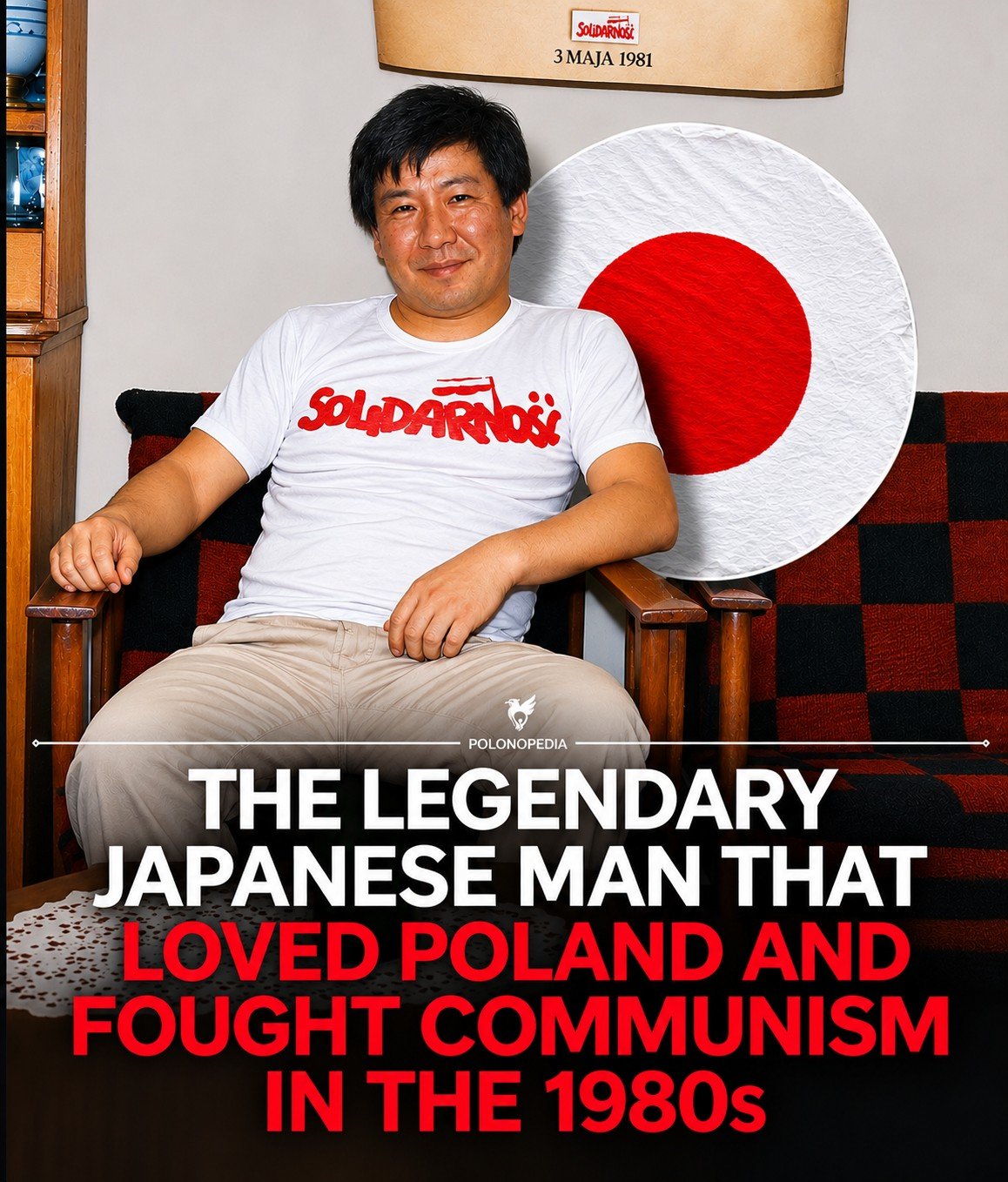
“As early as August 1981, I learned about the strictly secret plans to introduce martial law.
“I passed this information to Umeda, who forwarded it to Solidarity activists in the Mazowsze region — Nowicki, Bujak and Onyszkiewicz.
“They found it difficult to believe, but as a precaution they withdrew all their money from the bank and secured their printing equipment. They also warned Solidarity in Wrocław.
“Thanks to this, they later had the money necessary to continue their underground activities.”
By that time, Jacek already wanted to leave the militia. However, Solidarity activists asked him to remain there for at least another two years.
When martial law was declared in December 1981, Jacek was in the Tatra Mountains.
He was about to take a skiing instructor examination together with three members of a special ZOMO platoon.
They had to interrupt their examination and return to Kraków.
The authorities began suppressing strikes at various locations, including Nowa Huta and Łagiewniki.
Only the special platoons carried weapons loaded with live ammunition. The other ZOMO units did not.
Furthermore, only the special platoons had orders to shoot if they encountered resistance.
Fortunately, nobody in Jacek’s unit fired at anyone.
THE WUJEK MINE MASSACRE AND THE MOUNTAINEERS’ REPORT
Jacek had learned in detail how operations to suppress protests were carried out. When he later heard that miners had been massacred at the Wujek coal mine in Katowice, he immediately realised that only a special ZOMO platoon could have been responsible.
He decided to discover the truth at any cost.
“As an instructor of ZOMO special units, I suggested to my superiors that the men from the special platoon involved in the Wujek mine operation should be sent into the mountains for mountaineering training, to help them recover from the trauma of the mine operation.”
That was the official explanation.
In reality, Jacek intended to find out from the ZOMO officers exactly who had fired at the miners and whose orders they had followed.
To help him conduct the training and uncover the truth, he recruited two other trusted mountaineers — Ryszard Szafirski and Janusz Hierzyk.
“We took those ZOMO officers climbing on such difficult rock faces in the Five Polish Lakes Valley that afterwards, during evenings spent drinking alcohol, they opened up and talked about everything.
“Szafirski and Hierzyk got them drunk, while I wrote down everything I overheard or what my colleagues told me the following morning.
“To verify the information further, I took individual ZOMO officers on extremely difficult climbs.
“Under such conditions, people become so emotional that they reveal even their most closely guarded secrets.
“They told me everything — how they had fired ‘at the head’, meaning deliberately aiming at the miners’ heads, or ‘at the chest’, meaning at their hearts.
“They described how one miner after another fell and disappeared.”
The report they prepared, later known as the Mountaineers’ Report (Raport taterników), was taken to Warsaw by Hierzyk.
Extracts from it appeared in an article entitled Anatomy of Violence (Anatomia przemocy), published in the underground newspaper Fakty in March 1982.
Unfortunately, the communist Security Service (SB) had already begun searching for the source of the leaked information.
To protect himself, Jacek staged a skiing accident in December 1982.
He then pretended to suffer from amnesia so convincingly that he was eventually discharged from the militia as a severely disabled man.
In total, Jacek prepared three reports.
The first was written in the spring of 1982.
The second, in December of the same year, was delivered to Brother Hugo, a Cistercian monk from Czarna Góra near Nowy Targ.
The third was given to Bogdan Zalega, publisher of the underground newspaper Fakty.
However, the full Mountaineers’ Report did not become publicly known until 1999, during one of the subsequent trials of former members of the special ZOMO platoon responsible for shooting the miners at the Wujek coal mine.
The contents of the report and Jacek’s testimony caused a sensation.
Nevertheless, they were still insufficient at that time to secure convictions.
The perpetrators were eventually convicted in the third trial in 2004. Although the outcome was challenged, a 2009 ruling by the Supreme Court upheld the convictions of those responsible for the Wujek mine massacre.
Justice had finally been served.
REHABILITATION AND NATIONAL RECOGNITION
Before justice was achieved, however, Jacek had endured years of social rejection.
People refused to forgive him for his past service in the communist militia and for having trained ZOMO officers in the mountains.
Although he was the most highly qualified mountaineering instructor, the Polish Mountaineering Association would not allow him to train aspiring climbers.
Later, when he began coaching mountain bikers, people sometimes shouted insults at him during competitions:
“You communist secret policeman!”
This seriously affected his income as a coach, leaving him at times dependent solely on his pension.
Then came 18 January 2017.
“Thank you very much for what you have done for Poland,” said Minister Małgorzata Sadurska, Head of the Chancellery of the President of Poland, as she presented Jacek Jaworski with the Commander’s Cross of the Order of Polonia Restituta.
The Order of Polonia Restituta is Poland’s second-highest civilian state decoration, after the Order of the White Eagle.
It is awarded for outstanding achievements in education, science, sport, culture, the arts, the economy, national defence, social activities, public service and the development of good relations with other countries.
It was established by the Polish Parliament in 1921 as the country’s highest state decoration after the Order of the White Eagle.
Of the 28 people decorated alongside Jacek Jaworski at the Presidential Palace that day, he was the only one to receive an honour of such high rank.
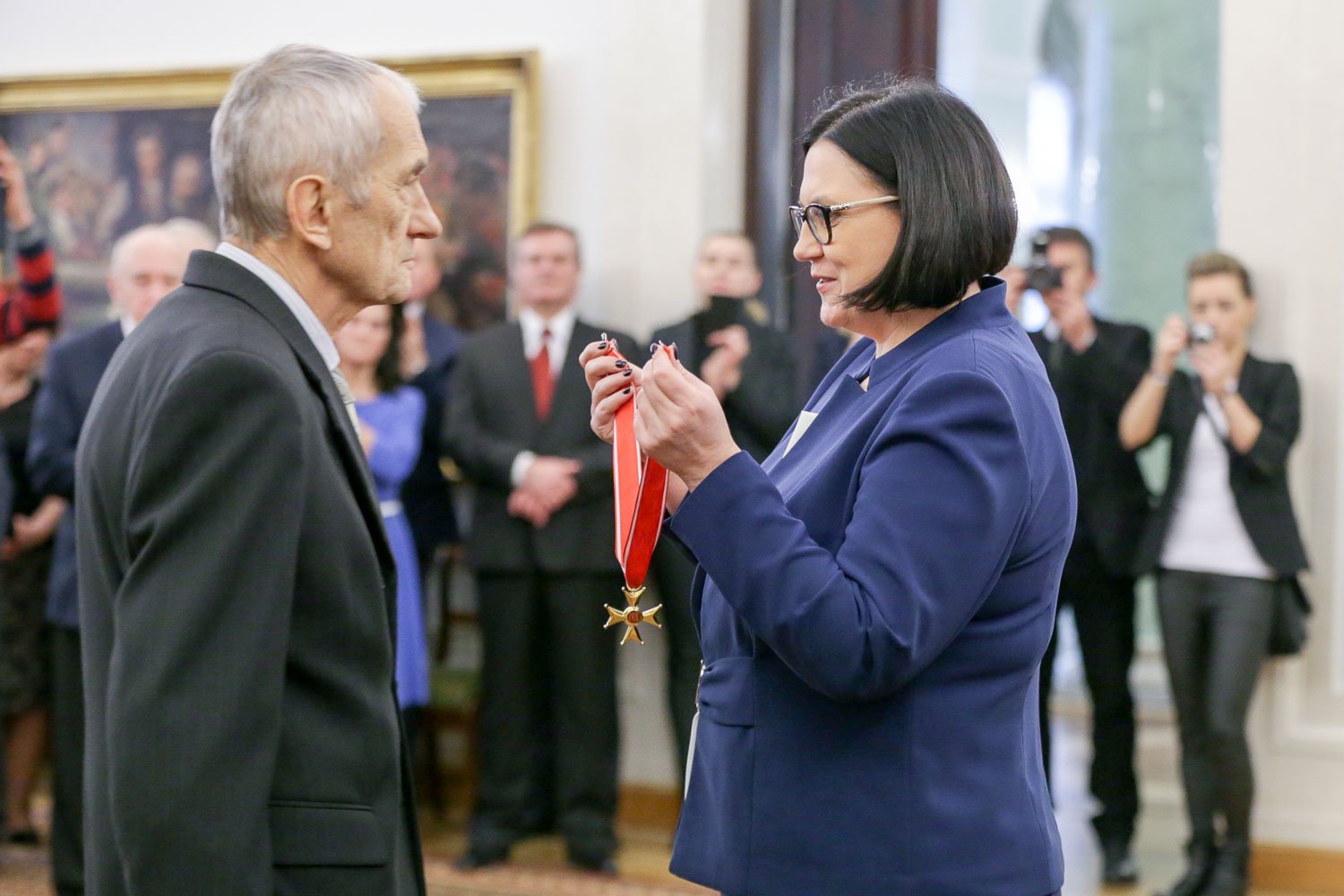
Unofficially, Jacek was told that he had received the decoration in recognition of the courage required to prepare the Mountaineers’ Report.
It also acknowledged the many years during which he had endured social rejection in his beloved Podhale region.
Until the report was revealed and its authenticity recognised, he had lived under the stigma of having served in the security forces of the communist regime.
The award therefore represented a form of official rehabilitation — a public recognition of what he had done for Poland.
ANOTHER CROSS
Despite the considerable satisfaction of receiving the Commander’s Cross of the Order of Polonia Restituta, another cross had long been far more important to Jacek.
It was the cross upon which his Saviour, Jesus Christ, had been crucified.
The truth and justice he had searched for throughout his life had found their perfect expression in Jesus, who is “the way, the truth, and the life.”
Speaking about the beginning of his spiritual search sometime in the 1980s, Jacek recalls:
“I was searching for God. I was seeking Him through Mary. I attended every church service, including the early morning Advent Masses, even when everyone at home was ill, and even when I had to make my way through deep snow. I prayed a great deal.”
At that time, his spiritual search was still taking place within the Roman Catholic Church.
Jacek became acquainted with Father Józef Tischner, the well-known Catholic priest and philosopher. They became friends, and Jacek speaks of him as his spiritual father.
On one occasion, Tischner told him something rather surprising: that he did not read the Bible because, if he did, he would have to stop being a Catholic.
AN UNEXPECTED INVITATION TO A NEW LIFE
After leaving the militia, Jacek began working at heights, carrying out jobs that required specialist climbing skills.
In 1987, he was offered a job in Gdańsk.
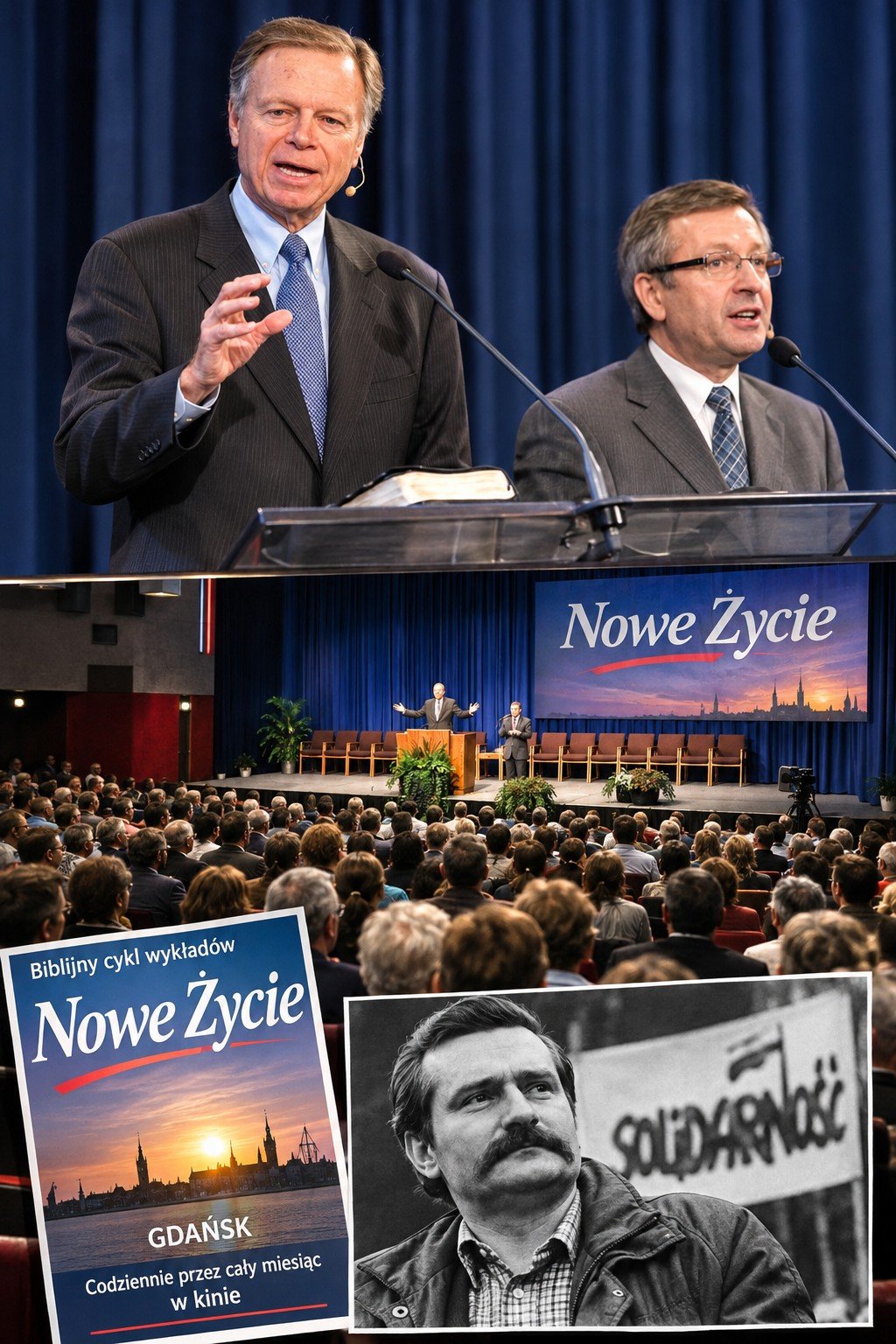
The first thing he noticed when he stepped off the train was a poster advertising a series of lectures entitled New Life (Nowe Życie).
The meetings were being held in Gdańsk’s largest cinema, the Leningrad, and were conducted by the Seventh-day Adventist evangelist Mark Finley from Washington and Dr Walter Thompson from Chicago.
Interesting, Jacek thought.
One day, after finishing work on a chimney somewhere in Tczew, he travelled to Gdańsk to attend one of the meetings.
“I arrived and saw enormous crowds of people outside the cinema and inside. Somehow, I managed to get in.
“Immediately, someone handed me a Bible.
“I listened and listened. Everything the preacher said agreed with the Bible.
“Then the evangelist made an appeal:
“‘If you want to be a servant of Jesus, stand up and say aloud: Jesus, I want to be Your servant.’
“And I wanted to.”
Jacek stood up with many others and made that declaration aloud.
On another occasion, the evangelist appealed to those present to be baptised by immersion and begin a new life in Christ.
Jacek was not yet ready to make that decision.
However, he continued reading the Bible and attending the lectures every day.
A REMARKABLE EXPERIENCE BEFORE HIS BAPTISM
One day, Jacek arrived at the meeting straight from work, without even changing his clothes. He was still wearing his dirty overalls.
Strangely enough, he found himself sitting in the very first row.
Once again, Mark Finley spoke about the new life available in Christ and explained that even the weakest child of God is stronger than all the powers of hell.
He then appealed for people to accept baptism by immersion.
Those who wished to be baptised were invited to sit in the first two rows.
Jacek thought that since he was already sitting there, he might as well remain where he was.
But the evangelist’s words deeply touched his heart.
He declared that he would be baptised — not immediately, in two days’ time, but sometime in the future.
After the meeting, he returned to his accommodation.
That night, sometime between three and four in the morning, he had an extraordinary experience.
Whether he was awake or dreaming, he could not tell.
He saw a bright light and heard a voice saying:
“Be baptised immediately, because you may not have another chance!”
He could not fall asleep again.
Instead, he spent the rest of the night reading the Bible.
It was Friday.
THE DECISION THAT CHANGED HIS LIFE
The following day was Saturday.
Jacek had already learned from the Bible that the seventh day was holy.
Instead of going to work, he travelled to the Seventh-day Adventist Church in Gdańsk to attend a meeting for those preparing for baptism.
The church members were somewhat surprised by the suddenness of his decision.
They explained that Seventh-day Adventists did not drink alcohol.
Jacek did not drink either.
They explained that Adventists did not smoke tobacco.
He did not smoke.
They told him that Adventists did not eat pork.
Jacek did not eat meat at all.
They explained that Adventists observed Saturday as the Sabbath.
He was already prepared to do that as well.
He had attended all the evangelistic lectures, listened to all the teachings and accepted Jesus Christ.
He was ready.
For a moment, however, one difficulty came to mind.
At that time, Jacek was also an international judo referee, and some competitions took place on Saturdays.
He had even been selected to referee at the Olympic Games.
Nevertheless, he was prepared to give up that opportunity for Jesus.
A MIRACULOUS CHANGE AT BAPTISM
Shortly before the baptism, evangelist Mark Finley made another appeal.
He encouraged those preparing for baptism to confess all their sins to God — even the worst ones, including those they had struggled unsuccessfully to overcome — and then see what would happen.
Jacek admits that he had one particularly troubling habit.
He used extremely offensive language and swore terribly.
So he prayed:
“Lord, please help me never to swear again.”
Then something remarkable happened.
“Just imagine,” Jacek recalls, “they immersed me in the waters of baptism, and immediately I forgot all the swear words!
“Later, I even tried to remember them, but nothing came into my mind.”
HIS HOME BECAME A CENTRE OF EVANGELISM
Jacek’s home in the mountains of Orawa became a local centre of evangelistic activity.
He began showing a film about the life of Jesus based on the Gospel of Luke.
People came from all over Orawa to watch it.
He also conducted religious lectures himself at the local community centre.
At the time this article was written, Jacek remained an active member of the Seventh-day Adventist Church, serving on the Council of the Church’s Southern Conference in Poland.
He also continued working as a coach and promoting a healthy lifestyle.
He had searched for a long time.
But at last, he had found what he was looking for.